


We understand that your study abroad dreams are priceless to you and you don’t want to leave anything to chance while applying. As you already know, the process of applying for overseas education can be tedious and have a few uncertainties. One big aspect of this uncertainty revolves around your visa application.
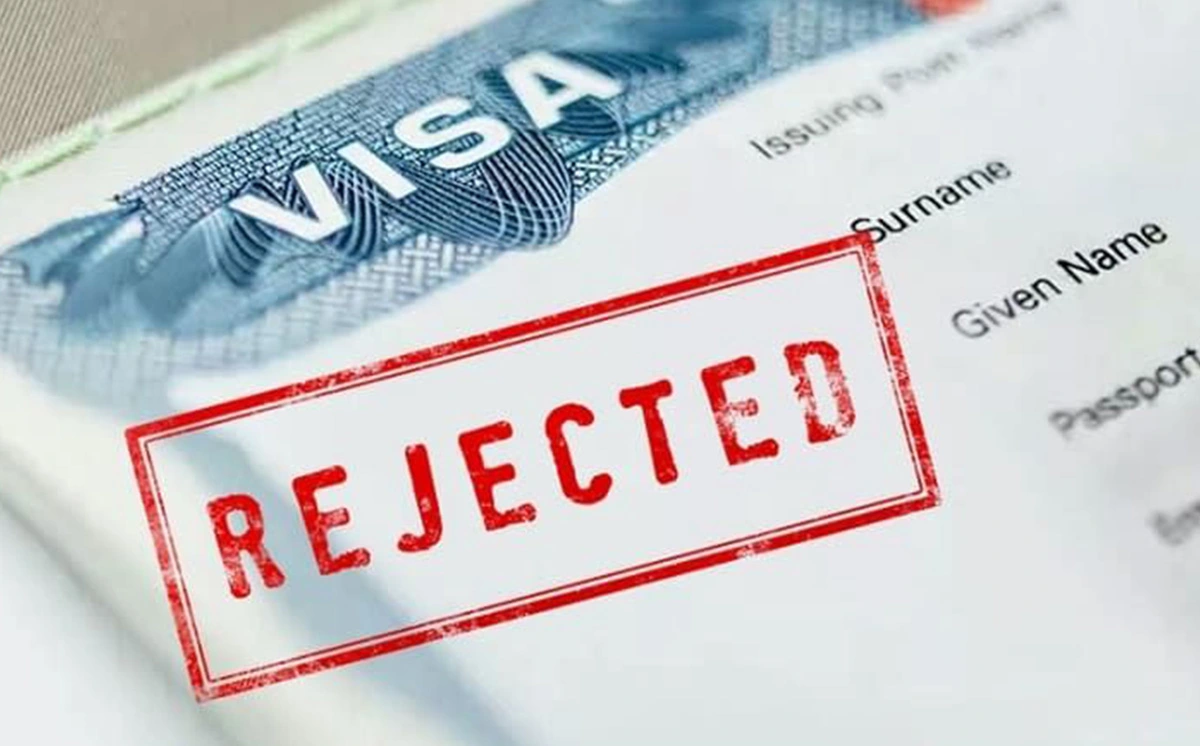
At times, despite getting everything right and meeting all application prerequisites diligently, a student visa rejection may leave you clueless. So, what is your best chance to ensure that you don’t have to face one? The answer simply lies in having the right information. The more informed you are, the lower the chances of anything going wrong in your visa application and, hence, a rejection.
At times, despite getting everything right and meeting all application prerequisites diligently, a student visa rejection may leave you clueless. So, what is your best chance to ensure that you don’t have to face one? The answer simply lies in having the right information. The more informed you are, the lower the chances of anything going wrong in your visa application and, hence, a rejection.
Top Student Visa Rejection Reasons Across Countries
The stakes are incredibly high for student visa rejection. Those who dream of studying abroad need to stay updated with the visa requirements. Even a small mistake in the visa form or documents can lead to visa rejection.
The stakes are incredibly high for student visa rejection. Those who dream of studying abroad need to stay updated with the visa requirements. Even a small mistake in the visa form or documents can lead to visa rejection.
- Lack of clarity in choosing the course.
- Insufficiently explained funds.
- Conflicting data.
- Weak career progression.
- Prior immigration problems.
- Unexplained employment gaps.
- Unexplained education gaps.
- Weak intent of the student.
- Duplicate documents.
- Failure to meet health, character, or English requirements.
- Other visa rejection reasons.
Studying abroad is every student’s dream, but while moving through its pathway, they often forget the tiny struggles they might have to face, such as a visa rejection. Visa rejection is not a small issue, as you cannot move to your destination until you get visa approval. You need to make sure that you don’t leave any reason on your end to get a student visa rejection.
A university admission letter doesn’t assure visa approval. Course admission and immigration are two completely different processes coming from different pathways. No checklist assures student visa approval, but students can take preventive measures to avoid visa rejection.
A visa is generally rejected for multiple reasons; however, the applicant may only focus on one issue, such as financial proof, while the decision-maker is also keeping an eye on:
- Applicant’s employment history
- Immigration history
- Academic history
- Course relevance
- Applicant’s intent
- Family situations
- Destination awareness
- Compliance with visa rules
Students planning to study abroad may not be aware of what common reasons could delay their visa. The visa refusal reasons fall into a few broad areas. Incomplete documentation is one of the most common issues. Financial concerns, intent to study, and other factors are other reasons. Ultimately, student visa rejection is not a reflection of just one specific flaw. It reflects various tiny flaws. Knowing a few tips before applying for a student visa may help you.
How to Strengthen Your Application before Submission
Knowing how to avoid visa rejection could help you get through the visa process. Thus, you should ensure that your documentation is complete and follow this guide as your pathway. However, there’s no specific way to avoid visa rejection, but you can consider the following tips:
- Keep your visa application easy to understand
- Refrain from copying generic statements
- Check all your documents and keep them organized
- Cross-check your financial proofs
- Be honest in your application
- Keep sufficient finances with evidence
- Keep strong sponsor evidence:
- Prepare for the interview in advance
Preparing for the visa interview could be tough as you do not know what the interviewer might ask. This often becomes a reason for student visa rejection. The interviewer rejects the visa application if they feel suspicious of the candidate. Speak for yourself, answer clearly with confidence, maintain confident body language, and be honest. This is also a critical part of your study abroad planning.
What to Do If Your Visa Got Rejected?
When you face visa rejection, do not feel disheartened. Most students get their visa approval on the second or third attempt after systematically resolving the issue. If your visa application is refused, follow the steps below:
- Identify the reason for rejection.
- Check what’s officially documented to understand the main reason.
- Inform your university about the visa rejection. The academic timeline is connected to your visa status; keeping the university in the loop would be effective.
- Or you can apply for a visa before the academic session to avoid any delay.
- Evaluate the process to reapply for the visa.
- Fix the issue that caused the first visa rejection; only then apply for a visa.
Lastly, if there’s still a doubt, feel free to reach out to us and have our expert counsellors guide you personally.
To Sum It Up
Pursuing overseas education is your gateway to global exposure. Receiving a student visa rejection could demotivate students, but understanding the root cause of the rejection is essential. Being careful can help you avoid visa rejection beforehand and can save students time, money, and effort. With considerate preparation, attention to detail, honest answers, and confidence, you can boost your chances of getting a student visa approval.
Additionally, you can contact Silver Fern Education Consultants; their experts help international students:
- They review each application individually to check the accuracy of the details.
- From guiding you to prepare for university exams to having you relocated to your destination, they assist in every process.
- They also stay updated with industry trends, immigration, exam, and visa updates for 2026-2027 to ensure you comply with their policies.
Also Read:
FAQs
Yes, you can re-apply for a student visa even after one rejection. Most destinations do not have any cool-off period; you can apply as soon as you want to.
Incomplete documents, weak financial proof, inconsistency in the application, and lack of a clear study plan are some of the common mistakes that often get a student visa rejected.
Yes, lack of financial proof is one of the most common reasons for student visa rejection. Students should verify their financial records and keep them handy during the visa process.
The visa process generally requires basic documents such as strong proof of financial support, a passport, an official university acceptance letter, a completed visa form, and a passport-sized photograph.