


Visa regulations are constantly changing due to shifts in workforce requirements, geopolitical developments, immigration policies, and market demands. Students planning to study abroad need to stay updated on changes in visa policies, work rights, processing times, documentation, and financial requirements.
Keeping track of the latest visa updates can help students avoid unnecessary delays, make informed decisions, and stay prepared throughout their academic journey abroad. This blog highlights key changes in the visa processes for Indian students.
Country-Wise Visa Update Impact
Many Indian students are planning to study abroad in destinations such as the USA, UK, Ireland, Australia, New Zealand, Dubai, Singapore, Canada, and countries across Europe. However, the traditional approach to studying abroad is no longer enough. Students need to stay informed about changing visa policies and requirements before making decisions about their international education journey.
Here are the latest 2026–2027 visa updates for Indian students planning to study abroad:
USA: Student visa applications from Indian students are facing increased scrutiny. In 2025, the F-1 visa refusal rate for Indian applicants was relatively high, making the visa process more competitive and unpredictable. Students can still apply for and obtain a US student visa, but they need to be well-prepared and understand the potential risks involved.
UK: Students applying for the Graduate Route from 1 January 2027 will receive an 18-month post-study work period instead of the previous 24-month period. This change reduces the duration available to graduates to seek employment and gain professional experience in the UK.
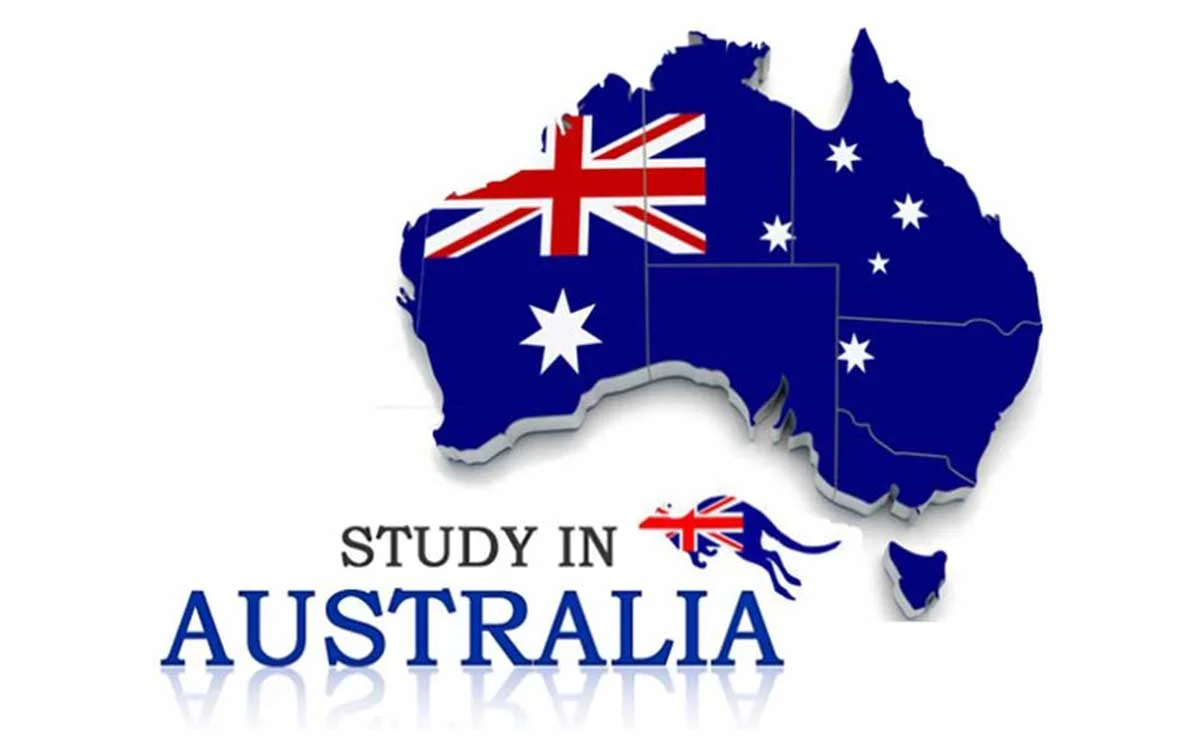
Australia: Following recent changes to student visa requirements, Australia places greater emphasis on financial evidence and English language proficiency. Students should ensure that they meet the latest financial and language requirements before submitting their applications.
Germany: Interest among Indian students in studying in Germany has increased significantly, rising from 13.2% in 2022 to 32% in 2025. For STEM applicants, Germany offers attractive career opportunities, including pathways to the EU Blue Card, low or no tuition fees at many public universities, and opportunities to remain in the country while seeking employment after graduation.
Canada: Canada has become more selective in its approach to international student admissions. Recent changes to student visa regulations have introduced measures to manage the number of international students entering the country, making it increasingly important for students to choose their programmes and institutions carefully.
Ireland: Master’s graduates may be eligible for an extended period of stay under Ireland’s Third Level Graduate Programme, allowing them to seek job offers after completing their studies. Graduates may also explore pathways to employment permits, including the Critical Skills Employment Permit, depending on their qualifications and employment.
A major shift has been observed in student visa policies across several study-abroad destinations. While the application process may have become more detailed and selective, this does not mean that Indian students can no longer study abroad. Instead, recent changes in study visa requirements are aimed at making the process more structured, transparent, and focused on selecting genuine students who meet the required criteria.
What Should Students Do After The New Visa Update For Indian Students?
If you are preparing to study abroad and the visa regulations changes seem challenging, this blog should have helped you clear most of your doubts. Additionally, you can follow these steps to stay ahead of other applicants:
1. Apply early
After the visa update for Indian students, the student visa slots are limited. Thus, ensure you apply at least 8-12 months prior.
2. Build a strong profile
To build a strong profile, students need to focus on scoring high IELTS or TOEFL scores. Develop a strong SOP and get letters of recommendation (LORs) from a supervisor, professor, or mentor. These tips can help you in the visa process.
3. Choose your courses smartly
Before choosing a course, research high-demand fields in foreign countries and courses relevant to those. Several fields are likely to remain in high demand, such as data science, engineering, healthcare, AI, and technology.
4. Work with experts
Researching on your own can guide you well, but getting professional guidance from education consultants can help you understand student visa changes. A professional will also help you find the right university, choose a course with good career opportunities, help you with visa documentation, and enhance your visa success rate.
What Changed After the Update in the 2026 Student Visa
When a student asks which the best options to study abroad are, the answer cannot simply be one country. Since it relies on so many factors, such as the course they want to pursue, the specialisations of each country vary, and this makes a major impact on students. Here’s an overview of the new visa update for Indian students.
What changed in the U.S.?
The new visa update for Indian students in the U.S. asks for the following:
- Cleared financial documentation
- More detailed visa interviews
- A strong analysis of the student’s intent
Australia Visa updates
After the changes in visa regulations, the student visa updates include:
- Stronger financial proof requirements.
- Strict criteria for English language.
- Fewer working hours during college.
Changes in Canada student visa
Canada introduced various changes to student visas:
- Study permit application caps.
- Post-graduation work permit (PGWP) eligibility.
- Prioritising high-demand courses.
UK student visa rule changes
The UK is now stricter after the visa changes and has made several changes:
- International students are not allowed to bring dependants, except students enrolling for research
- The route to a graduate visa is still available.
Updates in New Zealand student visa
Changes in New Zealand visa regulations have become more student-friendly:
- Quick visa processing.
- Flexible work rights.
- More focus on skill-based education.
Updates in Ireland's student visa requirements
Ireland made major student visa changes in financial terms.
- Long-term students aiming to study abroad now need to show EUR 10,000 (INR 10.6 Lakhs) in their savings account to cover living expenses.
- Short-term students need to show a minimum of EUR 833 (INR 88,000) every month during their study abroad period.
To Conclude:
The new visa update for Indian students came unannounced, but that doesn’t mean you should go with zero preparations. It also doesn’t mean studying abroad has become challenging. There have been a few changes in the student visa process, and knowing it well will help you get through it. Changes in visa regulations call for professional guidance, as it helps you with documentation and visa applications.
Bonus Tips:
Visa regulations may continue to change, but opportunities remain available for students who are passionate, well-prepared, and willing to adapt to evolving requirements. While the visa process has become more stringent, genuine students who meet the eligibility criteria and submit well-prepared applications can continue to pursue their study-abroad goals.
Always check the official immigration and government websites for the latest and most accurate information, or consult a qualified education expert for guidance on your study visa application.
FAQs
The student visa process has only become stricter, meaning if you have genuine intent, documents, and financial support, it is not tough for you.
Yes, most countries allow students to work. However, the work hours per week may differ.
No, choosing an education consultant is your independent call. However, choosing one may help you understand things better.
Your student visa may get rejected due to unclear study goals, weak financial proof, or poor performance in the interview.
Yes, you can apply for a PR, but the route can be more competitive and depends on your course and future job.