



Imagining the Impact of Global Exposure
Imagine, as a 16 year old, your child gets to pay an in-person visit to NASA. Besides, the child gets to attend a summer school at Harvard University with high school students from more than 50 countries. Imagine how confident and accomplished your child will come back from such an experience. What I have presented here is one of the many examples of global exposure that can empower students to become global leaders.
The Changing Nature of Work and Learning

How Global Exposure Empowers Young Students
In the globalised world of today, classrooms are multicultural. Ideas are instantly shared across national boundaries, and increased empathy, tolerance, and an open-minded attitude to problem-solving are essential. These don’t come from textbooks but from international exposure and by making the most of globalization. Such experiences help young students in navigating cultural challenges to pave way for long-term success.
This is essential for becoming a responsible global citizen as well as for success in school and the workplace. Fact: 90% of students who took part in study abroad programs reported having a greater understanding and appreciation of various cultures, according to a study conducted by the Institute of International Education (IIE).
Higher levels of academic engagement, motivation, and critical thinking are commonly demonstrated by students who participate in foreign education programs. Students begin to think differently when they are exposed to collaborative problem-solving, foreign classrooms, and novel instructional methods. As their understanding develops and their curiosity increases, schooling abruptly transcends textbooks and tests.
According to a poll conducted by the Council on International Educational Exchange (CIEE), 73% of students reported that their ability to solve problems improved as a result of their international education.
Even more encouraging is the fact that 68% of them felt more driven to study after they got home. That is how learning is magically connected to global, real-world experiences. It transforms education into something significant.
Fact: According to British Council research, multilingual people make between 20 and 35 percent more money than their monolingual counterparts. It seems sense that multinational corporations prefer to hire individuals with excellent language and communication skills.
- Become more self-reliant and adaptable
- Recognise various teaching philosophies and cultural norms
- Stand out on college applications
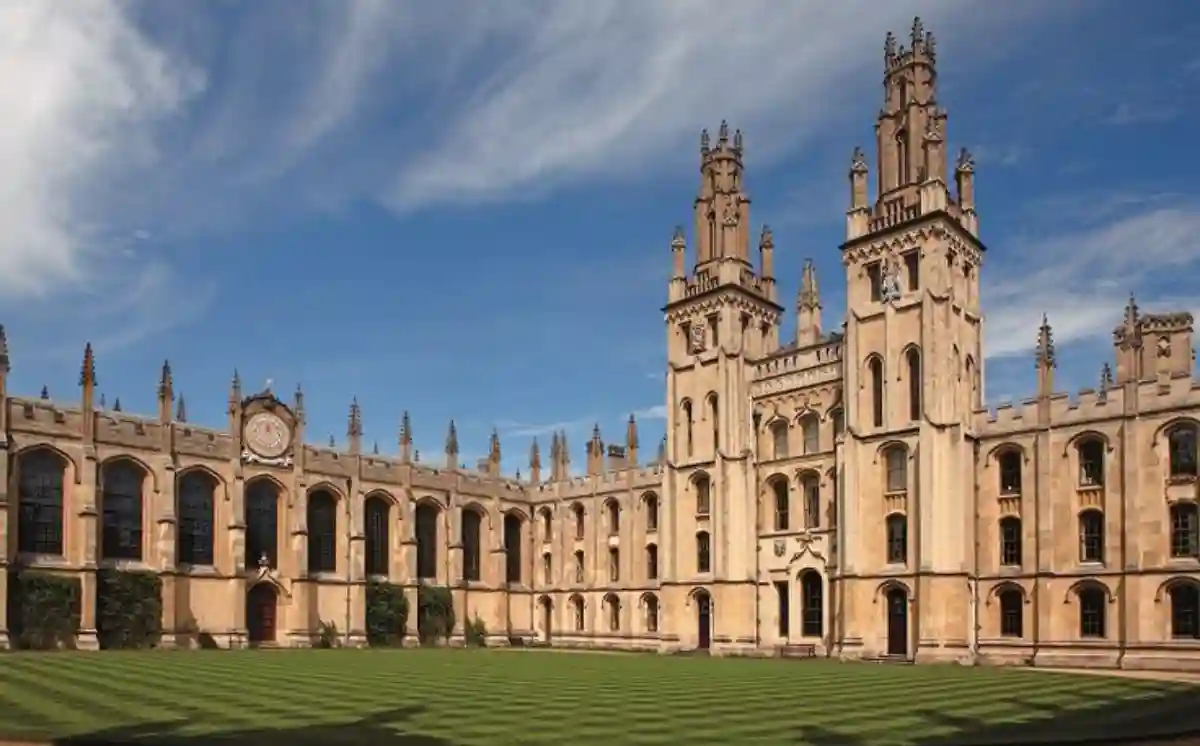
Prominent academic institutions like as Harvard, Oxford, and the University of Toronto seek out students who possess an established global perspective. One of them might be your child. Explore key things students should know before moving abroad for studies.
Builds Leadership and Networking Skillse
Students learn how to lead, collaborate, and produce something worthwhile when they form teams with individuals from other nations. They might volunteer in a foreign nation, work together on a climate project, or submit a proposal to an international jury. They develop into capable, self-assured young leaders as a result of every experience.
The act of venturing into the unknown has a certain strength. Every new experience that takes your child outside of their comfort zone, whether it’s an exchange program or summer camp overseas, makes them stronger.
They gain the ability to make choices, adjust to new environments, and overcome obstacles independently. These are more than simply life skills.
Students who are exposed to different cultures are better able to develop the creativity, flexibility, and technological fluency that will be necessary in a world that is changing quickly due to automation, artificial intelligence, and international cooperation. This is what top universities in the US or anywhere else in the world want in a student’s profile.
Students get to work together with peers from around the world; adopt new technology; and be fast to adjust and quick-thinking.
Increases Employability and Career Opportunities
Employers today seek candidates who have a thorough understanding of varied consumers and international marketplaces. Your child will have a competitive edge in the job market if they have foreign exposure, regardless of their career goal, business, medicine, design, or technology.
Candidates with experience navigating different cultures are constantly preferred by employers.
• Capable of leading multinational teams
• Willing to relocate or operate remotely across time zones
• Aware of global business trends.
Fact: Six out of ten employers consider international experience when making hiring decisions, says the QS Global Employer Survey. Within the first year of graduation, graduates with international experience have a 23% higher chance of landing higher-paying positions.
The influence of global exposure on values is arguably its most significant advantage. It cultivates a wider perspective, social responsibility, empathy, and environmental awareness. Because they see the wider picture and their place in it, your child will not only survive but flourish during times of global crises such as pandemics, climate change, or economic upheavals.
Advocates for diversity, sustainability, and peace are more likely to be global citizens. A more compassionate and cohesive future will be shaped by these ideals.
Opportunities for Global Exposure
Here are some ways you can begin providing global exposure to your child:
● Student exchange programs in high school or college.
● Summer schools abroad or with international universities.
● Global online courses
● Model United Nations (MUN)
● Language immersion programs.
● Volunteering or internships with global NGOs.
● Cultural exchange travel
Even watching international documentaries, reading books by global authors, or participating in international student communities online can enrich your child’s worldview.
Giving your child the skills to act locally, think internationally, and lead with confidence will set them up for success in the twenty-first century. Global exposure is essential, not simply a “nice to have.”
Your child will:
• Develop both academically and personally by participating in international programs and experiences.
• Gain experience in innovation and leadership.
• Develop a sense of social responsibility and cultural awareness.
• Be more prepared for work and further study.
• As a student prepared for the future, confidently face the future.
To put it briefly, exposing your child to the world not only expands their horizons but also lays the groundwork for their most promising future.

Author Bio : Shivam Garg
As an entrepreneur working in the domain of education with the vision of empowering young learners to be future leaders, I love to share my insights and views quite passionately through my pieces of content, which are also aimed at bringing a positive difference. With 14-plus years of experience in entrepreneurship, mentoring, and writing, there is a lot I have to share with the youngsters around.
shivam.garg092@gmail.com