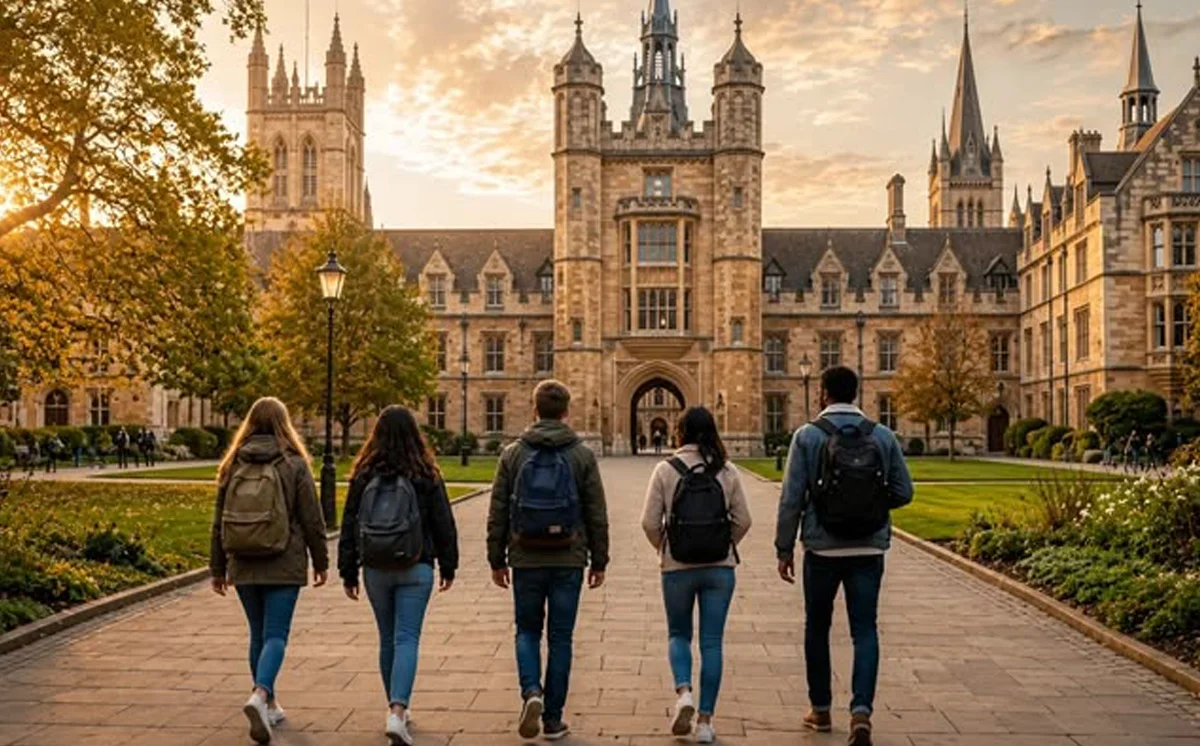





How Soft Skills Strengthen your Applications to Top Universities Abroad

What sets two equally qualified students apart when applying to the world’s top universities? If you are aiming to study abroad, you probably already know that academic scores matter, but they’re not the whole story. In today’s global applications, it’s no longer just about the test scores; it’s about who you are and what you bring to the table. That’s where the importance of soft skills in academic and career success comes in.
Skills like communication, leadership, teamwork, and adaptability can make a real difference. You’ll get the chance to show these in your statement, recommendation letters, and interviews. These soft skills show that you’re ready to thrive in a multicultural environment and make a meaningful contribution to campus life.

What exactly are soft skills?

Soft skills are your interactive skills, how you communicate, lead, solve problems, and work in a team. They’re not linked to a specific subject. Instead, they shape how you interact with others, how you respond to problems, and how you adapt to different environments.

According to a LinkedIn Global Talent Trends report, 91% of recruiters say soft skills are as important as hard skills. A Harvard study suggests that soft skills account for approximately 80% of career success, while technical skills make up just 20%.

Some examples of soft skills include:

  • Communication
  • Leadership
  • Adaptability
  • Time Management
  • Teamwork
  • Emotional Intelligence
  • Problem-solving
  • Critical thinking
When you’re in a different country, you’re not just dealing with coursework. You’re living independently, engaging with a new culture, and building relationships with people from all across the globe. That’s where soft skills become not just helpful, but important.

Universities want more than just grades

Sure, your GPA and test scores matter. But global universities are increasingly adopting a holistic selection criteria. This means they analyze you as a whole person; your personality, your passion, and how well you’ll fit into their environment.

What admissions officers look for:

  • Are you curious and open-minded?
  • Can you work with people from different backgrounds?
  • Do you take initiative and lead if required?
  • Can you manage your time effectively?

They want students who can thrive both in and out of the classroom. After all, college is more than just lectures and exams; it’s about collaboration, critical thinking and personal growth. And that’s where the importance of soft skills in international applications becomes impossible to ignore.

Research also supports this shift. A study by SHRM found that 75% of employers struggle to find college graduates with essential soft skills, such as communication or teamwork.

Where do soft skills show up in your application?

Even though there isn’t a section labelled “soft skills” in your application, it is still one of the requirements and you are still being analysed for them in multiple ways:
Personal statement:

This is your chance to tell your story. How did you overcome a problem? What did you learn from volunteering or leading a project? Use a specific example that showcases your character and mindset.

Letter of recommendation:
Teachers and mentors often highlight your reliability, leadership, collaboration, and emotional maturity, all of which are strong soft skills.
Interviews:

Some universities conduct interviews as part of the application process. This is where your communication skills, confidence, and clarity of thought matter.

Extracurriculars:

What you do outside the classroom, sports, clubs, internships, and community service, can speak volumes about your personality. 

Scholarship Application:

Right soft skills can also help you stand out in the scholarship letter, interviews and essays that you might have to write to acquire study abroad scholarships.

 These elements give admissions committees a more holistic view of your potential.

Can soft skills help if your grades aren’t perfect?

Definitely. While academics are a basic requirement, they are not the end of the story. If your grades are average or slightly below a program’s cutoff, strong soft skills can still make you a competitive applicant.

Let’s say two students are applying to the same university. One has perfect scores but shows little engagement beyond academics. The other has slightly lower grades but demonstrates strong leadership, resilience, and a commitment to community involvement. Admissions teams often lean toward the second candidate because they see someone who will contribute meaningfully.

Nobel Laureate James Heckman’s research confirms that soft skills predict life success and are often more important than overall scores.
Soft skills show your readiness for real-world problems, not just academic ones. And that’s a major reason why the importance of soft skills in international applications is growing worldwide.
Some recruiters might prioritize soft skills over your grades. Hence investing in your soft-skills can be a great way to secure a job after studying abroad.

How can you develop and highlight your soft skills?

Soft skills aren’t just something you have or don’t have; they can be developed and refined over time. Here are some practical ways to do that: 

Ways to build and showcase soft skills:

Join school clubs or societies: Debate club, student council, drama team, or Model UN can help boost leadership, communication and teamwork.

·  Take up volunteering: Community service teaches compassion, problem-solving, and initiative.

·  Work on personal projects: Starting a blog, a YouTube channel, or a coding project can build creativity and self-motivation.

·  Reflect on your experiences: Think deeply about what you’ve learned from school, life hurdles, travel, or part-time work. Use those learnings in your essays.

·  Practice mock interviews: Talk about your strengths and weaknesses confidently. Ask a mentor or counsellor to help you rehearse common questions.

When you describe these experiences in your application, focus on what you did, what you learned, and how it made you better. The more specific, the better.

Real-Life example: Why soft skills matter

Consider A, a student with a solid but not exceptional academic record. She applied to a UK University for a management course. In her personal statement, she talked about organising a local fundraiser, leading a team, and managing time during exam season.
Her teacher’s recommendation highlighted her sympathy and leadership. In the interview, she came across as confident, well-prepared, and intelligent. She got accepted, not just because of her marks, but because the university saw her potential beyond the grades.
Her story is a real example of how the importance of skills in international applications can open doors, even when grades aren’t top-tier.
Your story could be next.

Final Thoughts: Let your personality shine
At the end of the day, universities are not just looking for students. They’re looking for thinkers, doers, collaborators, and future leaders.
The importance of skills cannot be overstated. As you prepare your documents, take time to reflect on the qualities that make you unique. Think about your experiences, how you’ve grown, and what you can bring to the table.
Academic scores may get your application noticed. But soft skills? They’re what help you truly stand out.
Start investing in your soft skills today.
Also Read
Picture of Author Bio : Mr. Almasto Kapoor

Author Bio : Mr. Almasto Kapoor

I believe that wisdom and information amplify when shared with others. With more than 14 years of vast experience in tertiary education and having assisted a plethora of students in accomplishing their higher education dreams, I’d like to believe that my knowledge is substantial. To make this knowledge count, I love sharing it with students to apprise them of the intricacies of overseas education and to go with that, my keen interest in writing makes it an even more fulfilling thing to do!

almastokapoor3@gmail.com

Recent Posts

Contact Us

We’re here to support you on your study abroad journey & help you create an extraordinary future for yourself.

Related Posts

Best Countries to Study Social Work Courses With PR Pathways

Looking for social work courses with PR pathways across top study abroad destinations? Well, your quest should certainly end at this blog! In this blog, we shed light on the best countries to study social work with permanent residency pathways.Whether you should study social work in Australia or study social

Read More »

Leave a Reply

Your email address will not be published. Required fields are marked *